
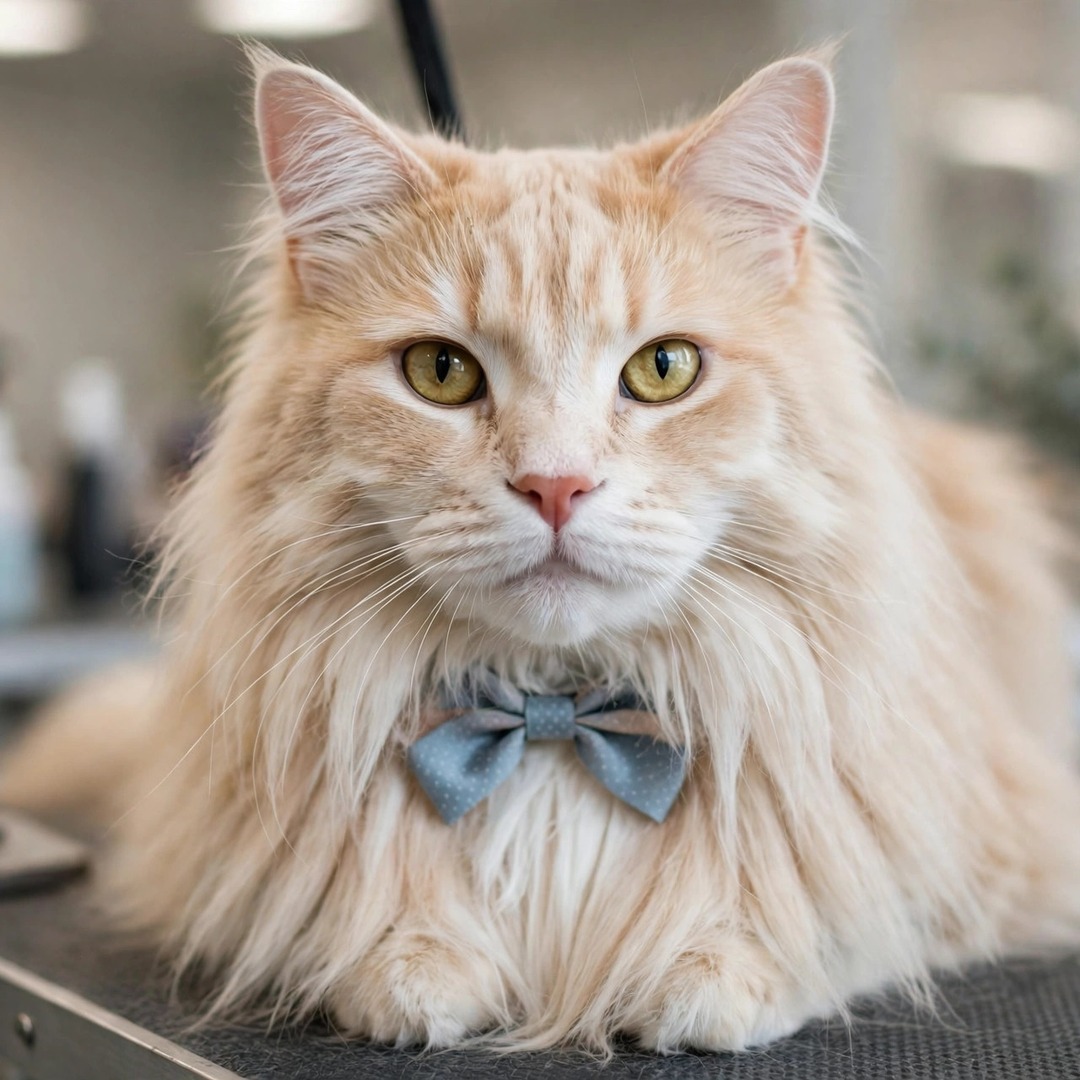
You bring your cat home from the groomer — or finish a grooming session yourself — and notice two things: your cat’s nose feels dry, and they keep sneezing. It is natural to worry. The good news is that in many cases, the cause is mild and temporary: dust from brushing, a scented spray, or the stress of the experience itself. But sometimes those same signs point to something that needs a vet’s attention, so it is worth knowing how to tell the difference.
In this article, we will look at the most common reasons a cat develops a dry nose and sneezing after grooming, what you can do at home, and the warning signs that mean it is time to call your veterinarian.
Why This Matters
A cat’s nose is usually cool and slightly damp, and an occasional sneeze is normal. A dry nose on its own is not always a problem — a cat’s nose dries out during sleep, in warm rooms, and after sunbathing. But a dry nose combined with repeated sneezing after grooming tells you something irritated the delicate lining of your cat’s nose, or that your cat is stressed, unwell, or reacting to something used during the session. Spotting the cause early means you can change what you do next time and, if needed, get help before a small problem grows.
Is a Dry Nose Normal After Grooming?
Sometimes, yes. Grooming stirs up loose hair, dander, and dust, all of which can dry and irritate the nose for a short time. A warm grooming room, a hair dryer, and the stress of being handled can also dry the nose temporarily. If the sneezing stops within a few hours, your cat is eating and drinking normally, and the nose returns to its usual slightly damp state, the episode was most likely mild irritation.
What is not normal is sneezing that continues for more than a day, a nose that stays dry and cracked, discharge from the nose or eyes, or a cat that becomes lethargic or stops eating. Those signs need veterinary advice.
Common Causes
Dust, loose hair, and dander. Brushing, combing, and blow-drying release clouds of fine hair and skin flakes. Cats breathe these in, and the nose reacts by sneezing to clear them. This is the most common cause and usually settles within a few hours.
Scented grooming products. Shampoos, sprays, colognes, and deodorising products used by groomers often contain strong fragrances. Cats have a very sensitive sense of smell, and scented products can irritate their nasal passages badly. Some cats also react to the residue left on their coat, which they then lick and inhale during self-grooming.
Stress. Grooming is stressful for many cats: unfamiliar people, handling, water, dryers, and other animals. Stress alone can cause a cat to sneeze more and can dry out the nose, because a stressed cat pants, licks its lips, and drinks less. Cats that are anxious at the groomer often show these signs even when nothing was sprayed on them.
Dry air and heat. Hair dryers and warm, dry grooming rooms dry out the delicate tissue inside the nose. A cat groomed with a high-heat dryer is more likely to sneeze afterwards than one dried gently with towels.
A mild upper respiratory irritation. If your cat was already carrying a low-level respiratory infection, the stress of grooming can bring it to the surface. Sneezing that continues, or that comes with discharge and a change in appetite, may be an infection rather than simple irritation.
An allergic reaction. Some cats are allergic to a specific shampoo, spray, or even the type of brush used. If the sneezing starts during or immediately after a particular product is used, and happens every time that product is used, an allergy is worth considering.
What You Can Do at Home
Give your cat a calm, quiet space. After grooming, let your cat rest somewhere familiar and peaceful, with fresh water nearby. Most mild irritation settles on its own within a few hours.
Wipe the nose gently. If there is dust or discharge around the nose, wipe it with a soft, damp cloth. Do not use wipes with fragrance or chemicals.
Offer water. A cat that drinks normally will rehydrate its nasal tissues faster. Place water bowls in a few quiet spots.
Watch and wait — for a day. Note when the sneezing started, how often it happens, and whether there is any discharge. If it fades over a few hours and your cat eats, drinks, and plays normally, no vet visit is needed.
Note what was used. If a groomer was involved, ask which shampoo and sprays were used, and keep a note. If the same signs appear after the next visit with the same products, you have a clear pattern to discuss with the groomer and your vet.
Do not give human medicine. Never give your cat antihistamines, decongestants, or any human medicine without veterinary advice. Many are unsafe for cats.
How to Prevent It Next Time
- Ask your groomer to use fragrance-free, cat-specific products only, and no cologne or deodorising spray.
- Request towel drying instead of a high-heat dryer, or a dryer on the coolest, gentlest setting.
- Ask for a calm, quiet appointment — the first slot of the day, when the salon is quiet, is often best.
- If you groom at home, brush in a well-ventilated room, keep sessions short, and use only unscented, cat-safe products.
- Keep your cat’s regular grooming routine gentle and familiar. A cat that is used to being brushed at home is less stressed at the groomer.
When to See the Vet
Contact your veterinarian promptly if you notice any of the following:
- Sneezing that continues for more than 24 hours, or gets worse instead of better
- Yellow or green discharge from the nose or eyes
- Blood from the nose
- A nose that stays very dry, cracked, or sore
- Loss of appetite or refusal to drink
- Lethargy, hiding, or unusual behaviour
- Breathing difficulty, open-mouth breathing, or noisy breathing
- Swelling around the face or eyes
- Fever — warm ears and paws, shivering, or a general sense of being unwell
These signs can indicate an upper respiratory infection, an allergic reaction, or another problem that needs professional assessment. Do not wait to see if it passes on its own if several of these signs appear together.
What the Vet May Do
Your veterinarian will examine your cat’s nose, mouth, and eyes, listen to their chest, and take their temperature. They may ask about the grooming products used and whether the signs started immediately after grooming. Depending on what they find, they may suggest a change of grooming products, treatment for an infection, or further tests. Bring the names of any products used — it helps enormously.
Frequently Asked Questions
Why does my cat have a dry nose and sneezing after grooming?
The most common reasons are dust and loose hair stirred up by brushing, scented grooming products, stress, and dry air from a hair dryer. These usually settle within a few hours. If sneezing continues beyond a day or comes with discharge, lethargy, or loss of appetite, see your veterinarian.
Is a dry nose always a sign my cat is ill?
No. A cat’s nose dries out during sleep, in warm rooms, and after sunbathing. A dry nose matters more when it comes with other signs — sneezing, discharge, lethargy, or not eating.
Can I use a humidifier to help my cat after grooming?
A humidifier in the room where your cat rests can help soothe irritated nasal passages, as long as it is clean and the room does not become damp. Fresh water and rest matter most.
Should I change groomers if this keeps happening?
If the same signs appear after every visit, talk to your groomer first — ask for fragrance-free products and gentler drying. If nothing changes, a different groomer, or grooming at home with cat-safe products, may suit your cat better.
Can grooming trigger a respiratory infection?
Grooming itself does not cause an infection, but the stress of it can bring out a low-level infection your cat was already carrying. If sneezing persists or worsens, your vet should check for infection.
The Bottom Line
A dry nose and sneezing after grooming are often just a short-lived reaction to dust, fragrance, stress, or dry air, and they usually fade within a few hours. Give your cat rest, water, and a quiet place, note which products were used, and ask for fragrance-free, gentle grooming next time. But if the sneezing lasts more than a day, or comes with discharge, loss of appetite, or breathing changes, do not wait — call your veterinarian. You know your cat best, and a quick check is always better than worrying at home.
Has your cat ever come home from the groomer sneezing? What helped? Share your experience in the comments below.
This article is for general information only and is not veterinary advice. If you are worried about your cat’s health, please consult a veterinarian.